L o a d i n g
Areas of Growth

Formation Dimensions

Four pillars that structure the Salesian formation journey for holistic human development

Salesian formation is holistic — it addresses every dimension of the human person. Drawing on the Salesian tradition's emphasis on the unity of body, mind, and spirit, our formation framework is structured around four interconnected dimensions. Each dimension is essential, and together they form an integrated approach to education that prepares students not only for academic success but for a life of meaning, virtue, and service.

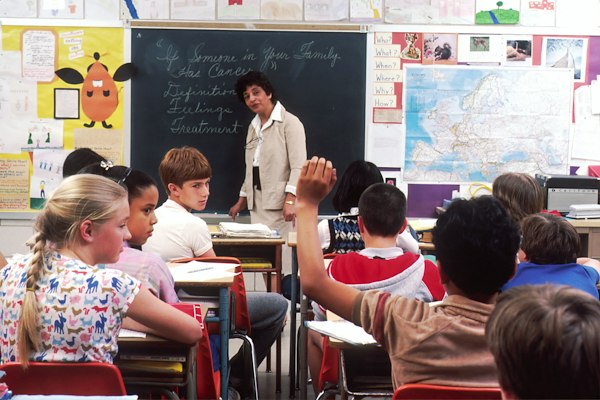
Academic Formation

Salesian schools are centres of academic rigour where students are challenged to achieve their intellectual best. Our curricula blend traditional liberal arts with modern disciplines, fostering critical thinking, creativity, and a lifelong love of learning. We prepare students for higher education and meaningful careers while forming minds that can engage the world with wisdom and discernment.

The Salesian approach to academics is grounded in the conviction that all truth is God's truth and that the pursuit of knowledge is a spiritual enterprise. Every discipline — from mathematics to literature, from science to history — reveals something of the order, beauty, and wisdom of the Creator. Students are therefore encouraged to approach their studies with wonder and reverence, seeing learning not merely as a means to a career but as a participation in the divine wisdom that underlies all reality.

Teaching methods in Salesian schools emphasize active learning, dialogue, and personal engagement. Teachers are not mere dispensers of information but facilitators of discovery who guide students to think critically, question deeply, and articulate their understanding with clarity and confidence. Small class sizes, personalized attention, and a supportive learning environment ensure that every student can thrive academically.

Salesian academic formation also emphasizes the integration of faith and reason. Students are invited to see the connections between their studies and their faith, to understand how the Catholic intellectual tradition illuminates every field of knowledge, and to develop a worldview that is both intellectually rigorous and spiritually grounded. Graduates of Salesian schools are known not only for their academic achievements but for their ability to think clearly, act ethically, and lead with wisdom.

Academic setting

Character & Moral Formation

We believe that knowledge without virtue is incomplete. Through structured programmes in ethics, service learning, and values education, students develop integrity, responsibility, and moral courage. They learn to make choices that reflect respect for self, others, and the common good.

Character formation in the Salesian tradition is rooted in the cultivation of virtue. Following the teachings of St. Francis de Sales, we emphasize the "little virtues" — gentleness, patience, humility, kindness, and cheerfulness — that make daily life gracious and fruitful. These virtues are not taught as abstract concepts but are modelled by educators and practised in the context of school life.

Service learning is a key component of moral formation. Students are regularly engaged in projects that serve the poor, the elderly, the marginalized, and the environment. Through these experiences, they develop empathy, solidarity, and a sense of social responsibility. They come to understand that their education is a gift to be shared and that their privileges carry obligations to those less fortunate.

Discipline in Salesian schools is always formative, not punitive. When students make mistakes, the focus is on learning, restoration, and growth rather than punishment. Through restorative practices, reflection, and guided conversations, students develop self-discipline, accountability, and the ability to make amends. The goal is not merely well-behaved students but young people of character who can govern themselves by internalized principles of virtue.

Students collaborating

Spiritual Guidance

Spiritual formation is woven into the daily life of the school. Chaplaincy services, retreat programmes, liturgical celebrations, and faith-sharing groups provide students with opportunities to deepen their relationship with God and discern their vocation in the light of the Gospel.

The Salesian approach to spiritual guidance is characterised by gentleness and respect for individual journeys. St. Francis de Sales is renowned for his teaching on "devotion in daily life" — the conviction that holiness is not reserved for monks and nuns but is the vocation of every Christian, to be lived in the ordinary circumstances of family, work, and community. This spirituality is deeply accessible and affirming, making it especially suitable for young people.

Retreats are a highlight of the Salesian spiritual programme. Students participate in retreats at key moments of their school journey — entering secondary school, preparing for examinations, discerning future paths, and graduating. These retreats provide space for silence, reflection, prayer, and peer sharing. They are often described by students as transformative experiences that help them connect with God, themselves, and one another.

The sacramental life of the Church is also central. Regular celebration of the Eucharist, opportunities for the Sacrament of Reconciliation, and devotion to Mary and the saints nourish the spiritual lives of students. Through these encounters with grace, young people learn to listen to God's voice, to discern their gifts, and to respond generously to the call of the Gospel in their lives.

Spiritual guidance

Leadership Building

Salesian education forms leaders who serve. Through student government, peer ministry, sports, clubs, and community outreach, young people develop the skills of collaboration, communication, and compassionate leadership. They graduate ready to be agents of positive change in their communities.

The Salesian model of leadership is servant leadership, inspired by Christ who came not to be served but to serve. Students are taught that true leadership is not about power, status, or control but about using one's gifts to lift others, build community, and work for justice. This understanding of leadership is counter-cultural and formative, preparing young people to be leaders of integrity in a world that often equates leadership with self-promotion.

Student leadership programmes in Salesian schools are comprehensive and inclusive. Every student is encouraged to develop leadership skills, whether through formal roles such as class representative or club president, or through informal leadership in group projects, sports teams, and service initiatives. Leadership formation includes training in communication, conflict resolution, project management, and ethical decision-making.

Peer ministry is a distinctive feature of Salesian leadership formation. Older students are trained to serve as mentors, retreat leaders, and faith companions for younger students. This peer-to-peer model is powerful because young people often learn best from those who are closest to them in age and experience. Peer ministers develop deep skills in empathy, listening, and spiritual companionship while also serving as role models for the entire school community.

Student leadership
Unity of Vision

An Integrated Approach

How the four dimensions work together to form the whole person

Academic

Knowledge, critical thinking, lifelong learning

Character

Virtue, integrity, moral courage

Spiritual

Faith, prayer, vocation discernment

Leadership

Service, collaboration, positive change

Begin the Journey

Discover Salesian Formation

Ready to experience formation that transforms the whole person — mind, heart, and spirit?

Our Philosophy Find a School